
Search This Supplers Products:Rubber Coated BeltFoamed Sponge BeltConveyor BeltVulcanized BeltDrive PulleyPU Timing Belt
Food Safety in Protein Processing: How the Right Timing Belt Helps Reduce Contamination Risks
time2026/01/23
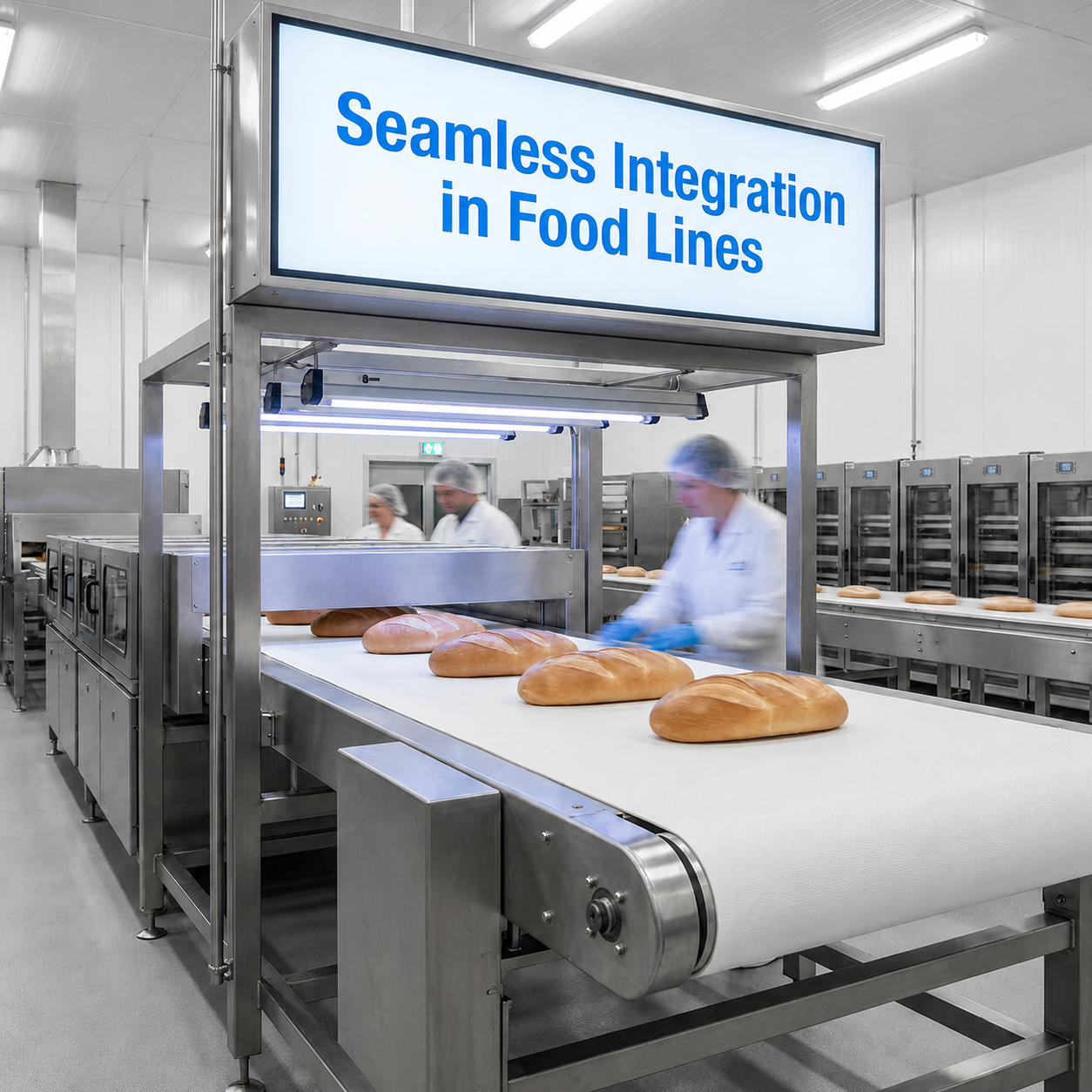
- Food safety plays a critical role in the protein processing industry. Whether handling meat, poultry, seafood, or plant-based alternatives, maintaining strict hygiene standards is essential to reducing contamination risks and protecting final product quality.
From raw material handling to cutting, conveying, weighing, sealing, and final packaging, every stage of the process requires components that can perform reliably in humid, oily, and frequently cleaned production environments.
What makes protein processing so demanding?
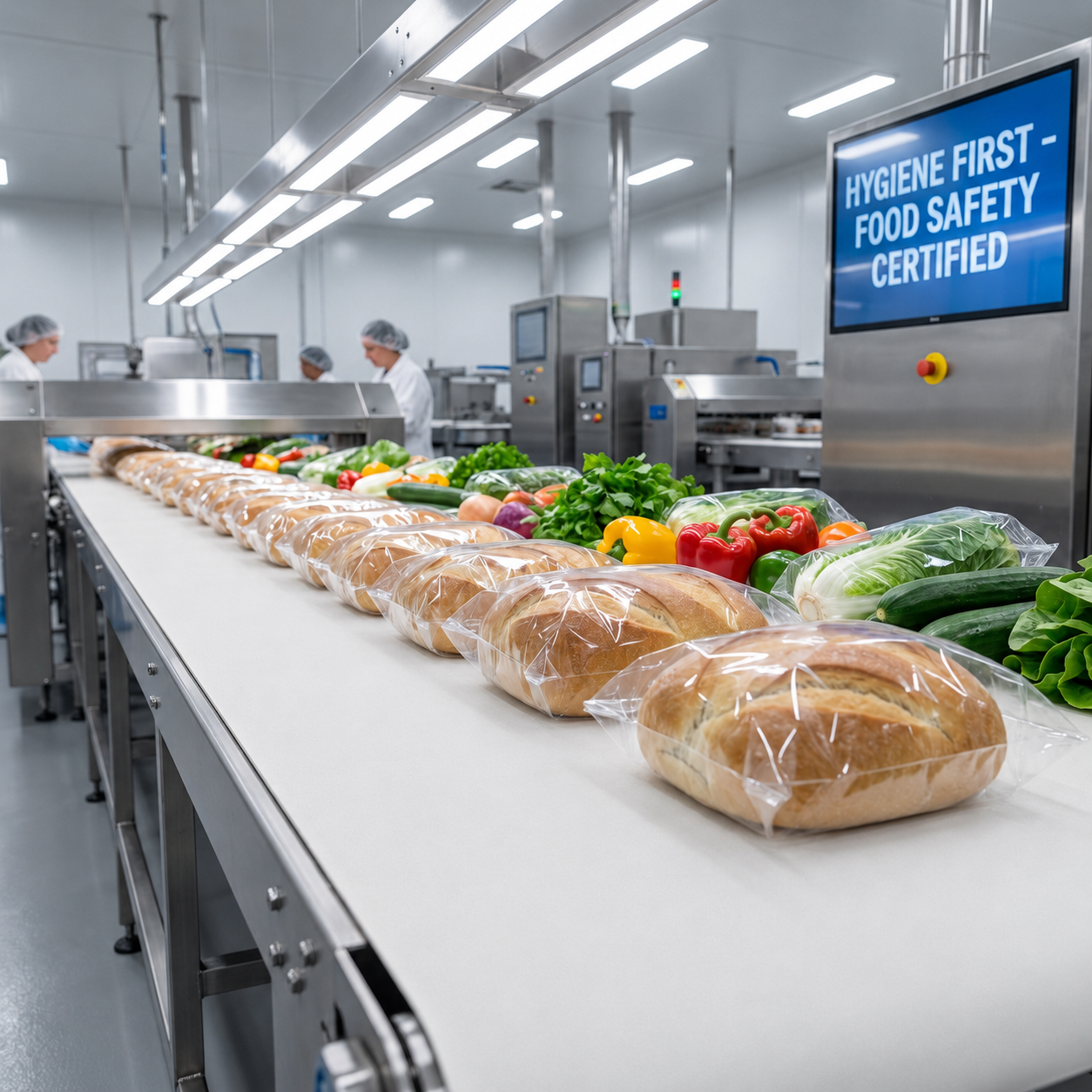
Protein products are sensitive to temperature changes, moisture, oil, cleaning chemicals, and contact with foreign materials during production. If these factors are not properly controlled, they may lead to product quality issues, unstable processing, increased waste, or even food safety concerns. To reduce these risks, protein processors are increasingly choosing hygienic equipment designs, automated production systems, and food-grade belt components that can support stable performance under demanding conditions.
GOODLY food-grade timing belts
GOODLY supports food safety in protein processing with customised food-grade timing belts, PU conveyor belts, and hygienic belting solutions engineered for food processing and packaging applications. Our belts are designed to support stable conveying, accurate positioning, easy cleaning, and reliable operation in modern protein production lines.
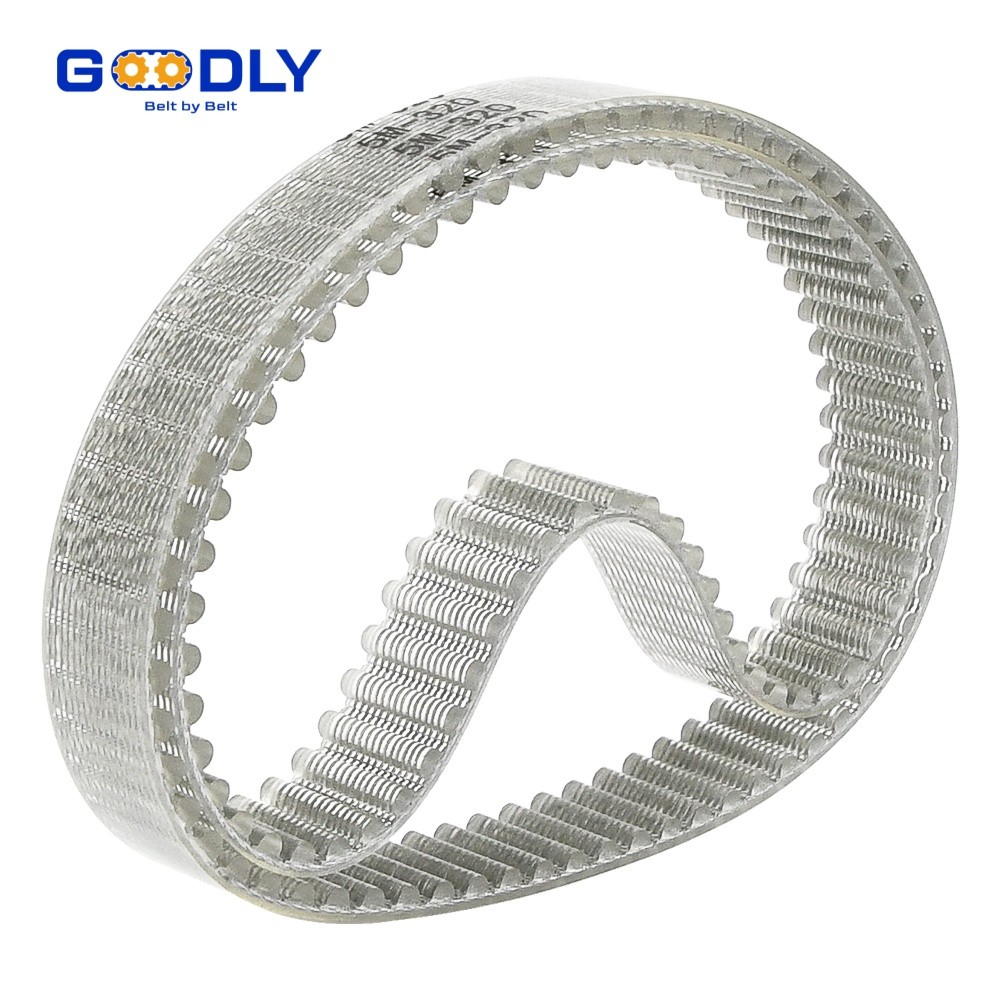
• GOODLY Food-Grade PU Timing Belts: the power transmission solution built for hygiene
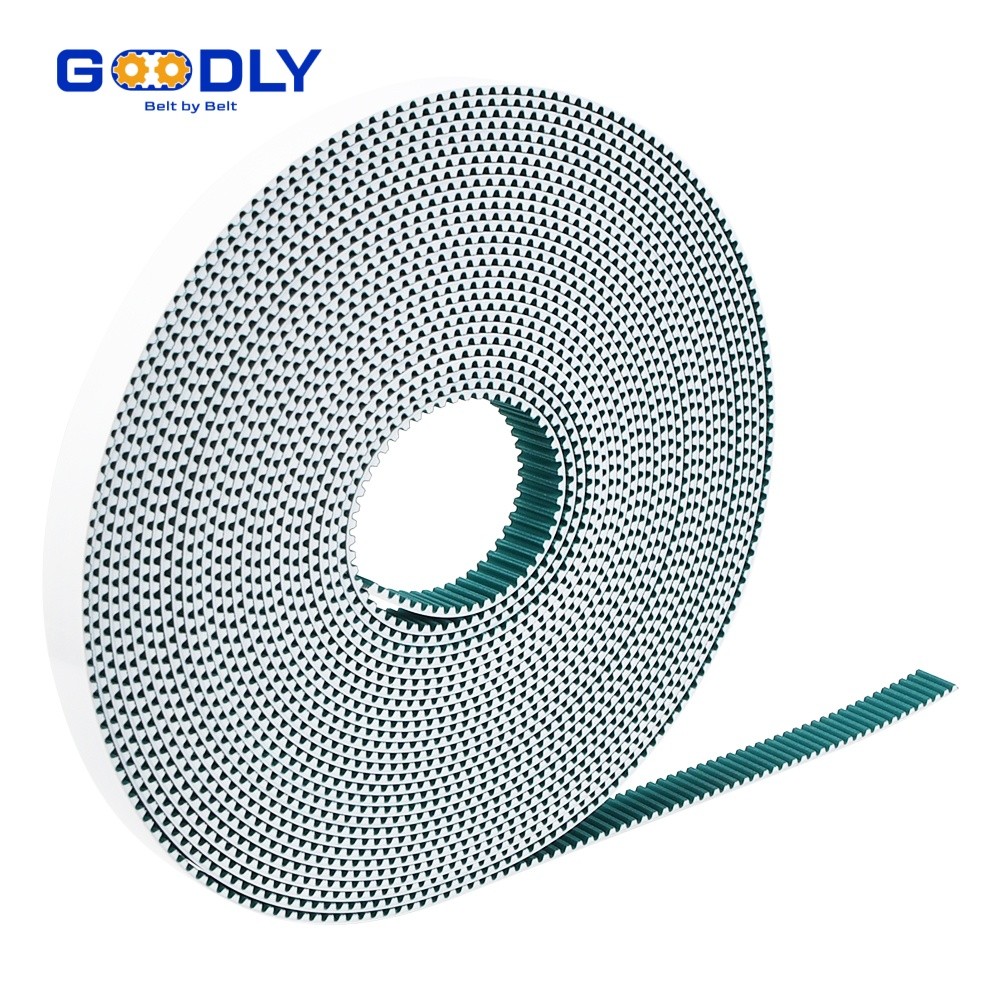
Designed for synchronous conveying and power transmission applications in food processing and packaging equipment, GOODLY food-grade PU timing belts offer stable performance in the wet, humid, and oily environments commonly found in protein processing.
Featuring durable tensile cords and food-grade polyurethane materials, these belts provide good wear resistance, reliable dimensional stability, and strong resistance to repeated cleaning procedures — helping manufacturers maintain consistent production while supporting hygienic processing requirements.
• GOODLY Custom Conveyor Belts: engineered for food contact applications
Tailored for food-related conveying applications, GOODLY PU conveyor belts can be supplied with different surface materials, hardness levels, belt thicknesses, guides, cleats, perforations, and edge designs according to equipment requirements.
Available for dry and wet production conditions, these belts help support smooth material transfer, stable product positioning, and easy integration into meat, poultry, seafood, and plant-based protein processing lines.
• GOODLY Detectable & Custom Belt Solutions: designed for proactive contamination prevention
One of the most serious risks in food production is the presence of foreign materials. A small belt fragment, damaged surface, or worn component may create hidden risks for product safety, production continuity, and brand reputation.
To help reduce these risks, GOODLY provides customised belt solutions focused on durability, cleanability, visual inspection, and application-specific design. Blue food-grade belts, sealed edges, reinforced structures, surface coatings, and customised profiles can be used to improve visibility, reduce wear points, and support safer operation within food processing environments.
These features complement other hygienic design practices, helping manufacturers improve belt performance and add another layer of protection within their food safety management process.
Food safety, first and foremost
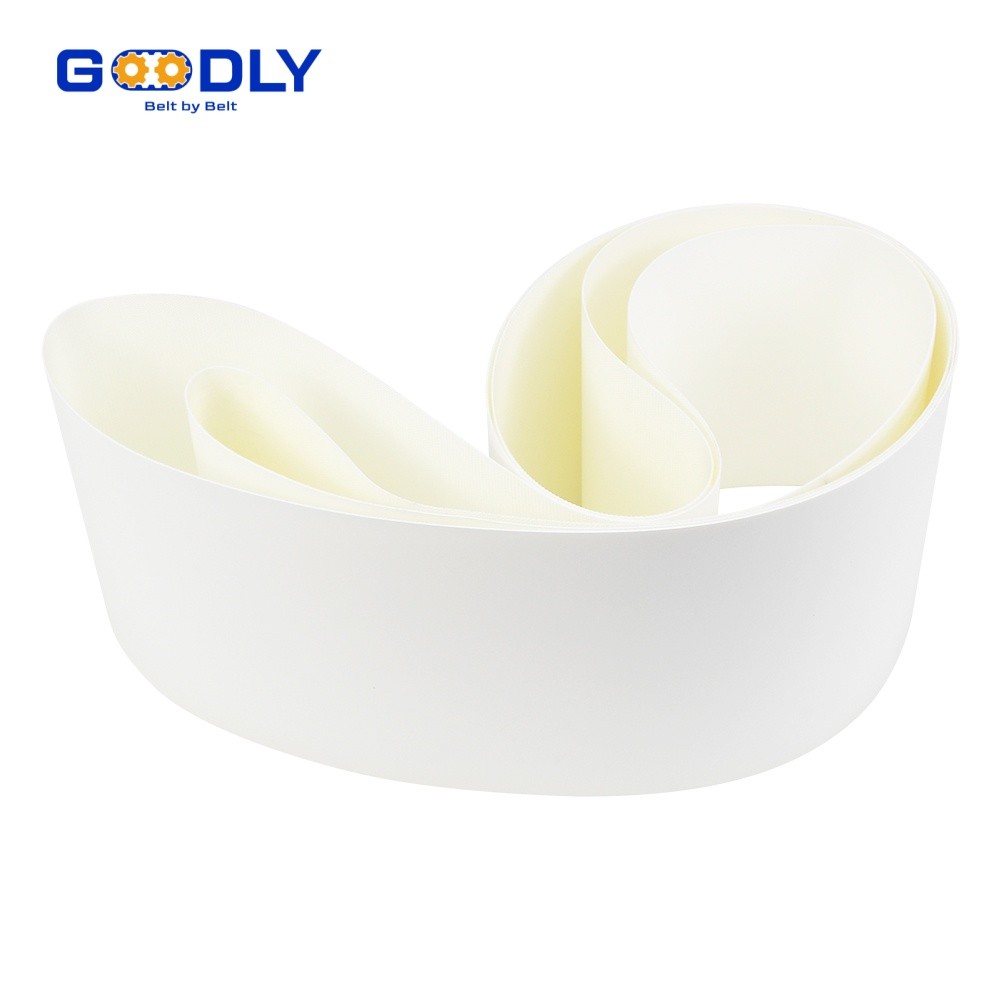
In an industry under increasing pressure to meet strict hygiene standards while maintaining high production efficiency, GOODLY food-grade belting solutions provide reliable support for protein processors. By combining food-grade materials, customised belt design, stable transmission, and hygienic conveying performance, GOODLY helps manufacturers protect both their products and their customers.
Because when it comes to food safety, there is simply no room for compromise.